International trade continues to evolve in 2026, but one challenge remains a major concern for businesses: rising shipping costs. Importers, exporters, manufacturers, retailers, and distributors are all feeling the impact of higher freight charges. Understanding why these costs are increasing can help businesses make better logistics decisions, manage budgets, and maintain reliable supply chains.
For companies operating across international markets, choosing an experienced freight forwarding company in Dubai can make a significant difference. Professional freight forwarders can help businesses identify cost-effective transportation options, manage documentation, coordinate shipments, and reduce avoidable delays.
What Is Driving Higher Shipping Costs in 2026?
Shipping prices are influenced by several interconnected factors. Freight rates are not determined only by the distance between two ports. Fuel prices, vessel availability, port congestion, geopolitical developments, container demand, regulations, and seasonal fluctuations can all influence the final transportation cost.
In 2026, businesses are experiencing the combined effect of several of these factors. As international supply chains become more complex, logistics planning has become increasingly important.
1. Rising Fuel and Operating Expenses
Fuel remains one of the most important components of transportation costs. Ocean vessels, trucks, aircraft, and other freight transportation equipment require substantial amounts of energy to operate.
When fuel prices rise, carriers may introduce or increase fuel surcharges. These additional expenses can eventually be reflected in the freight rates paid by shippers.
Beyond fuel, carriers also face increasing costs related to vessel maintenance, equipment, labour, insurance, port services, and regulatory compliance. These operating expenses contribute to higher transportation charges throughout the logistics chain.
2. Geopolitical Uncertainty
Global shipping routes can be affected by geopolitical tensions, regional conflicts, trade restrictions, and security concerns. When carriers face increased risks along particular routes, they may change sailing schedules, reroute vessels, or avoid certain areas altogether.
Longer routes can increase fuel consumption, transit times, vessel requirements, and insurance expenses. These additional costs may ultimately affect freight rates.
For businesses involved in international trade, having flexible logistics planning and access to alternative transportation routes can therefore be extremely valuable.
3. Port Congestion and Delays
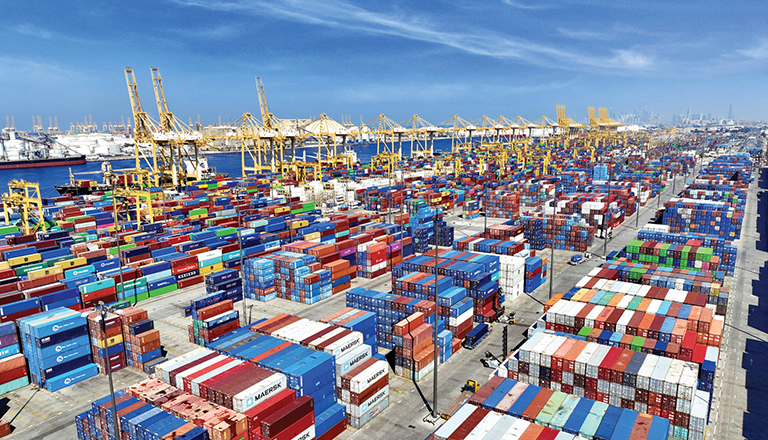
Ports are critical links in global supply chains. When ports become congested, ships may have to wait longer before berthing, containers can take additional time to move through terminals, and inland transportation schedules may be disrupted.
Congestion can create a chain reaction. A delayed vessel can affect container availability, warehouse planning, trucking schedules, and delivery commitments.
Businesses may also incur additional expenses for storage, demurrage, detention, and expedited transportation. Effective logistics solutions can help companies coordinate different stages of the shipment and reduce the impact of unexpected delays.
4. Container Availability and Equipment Imbalances
The availability of shipping containers can vary significantly between regions. Some markets may have an excess of empty containers, while others may experience shortages.
When containers are not positioned where exporters need them, repositioning costs can increase. Limited equipment availability can also affect shipping schedules and freight rates.
Experienced freight forwarders can help businesses plan shipments around equipment availability and select appropriate carriers and routes.
5. Increased Demand for International Transportation
Freight rates are also influenced by supply and demand. When demand for shipping capacity rises faster than available vessel or aircraft capacity, transportation prices can increase.
Certain periods of the year can bring stronger demand because of seasonal purchasing, product launches, retail cycles, or inventory replenishment. Businesses that wait until the last minute to arrange transportation may have fewer choices and face higher rates.
Advance planning allows shippers to compare transportation options and potentially secure more competitive pricing.
6. Stricter Environmental Requirements
The international shipping industry is increasingly focused on reducing emissions and improving environmental performance. Carriers are investing in cleaner technologies, alternative fuels, more efficient vessels, and other measures designed to support sustainability goals.
Although these changes are important for the future of global transportation, they can also introduce additional investment and operating costs for shipping companies.
Over time, these expenses may influence freight rates and related logistics charges.
7. Higher Inland Transportation Costs
International freight does not end when a vessel reaches the destination port. Containers still need to be transported to warehouses, distribution centres, manufacturing facilities, or customer locations.
Road transportation, fuel, driver availability, tolls, warehouse charges, handling fees, and other local expenses can all affect the overall logistics budget.
This is why businesses should evaluate the total landed cost of a shipment rather than focusing exclusively on the ocean freight rate.
How Can Businesses Control Shipping Expenses?
Although businesses cannot control global freight markets, they can take practical steps to manage transportation costs.
Plan Shipments in Advance
Early planning provides more opportunities to compare carriers, routes, schedules, and transportation modes. It can also reduce the risk of paying premium rates for urgent shipments.
Consolidate Cargo Where Possible
Combining smaller shipments into a consolidated load can sometimes improve transportation efficiency. Cargo consolidation should be evaluated based on shipment size, destination, delivery requirements, and product characteristics.
Select the Right Transportation Mode
Businesses should consider whether ocean freight, air freight, road transportation, or multimodal logistics is the most suitable option. The cheapest transportation method is not always the most cost-effective when delivery time, inventory costs, and reliability are considered.
Improve Documentation Accuracy
Incorrect or incomplete shipping documents can cause delays, penalties, and additional handling expenses. Proper documentation helps shipments move through customs and other checkpoints more efficiently.
Work With an Experienced Freight Forwarder
A reliable logistics partner can provide valuable support across booking, documentation, customs coordination, cargo handling, tracking, and delivery.
For companies trading through the Middle East, working with an established freight forwarding company in Dubai can simplify international shipment coordination while providing access to major regional and global trade routes.
The Importance of Smarter Logistics in 2026
Rising freight charges make logistics planning more important than ever. Instead of looking at shipping as a single transportation expense, businesses should consider the entire supply chain—from supplier pickup and documentation to port handling, international transportation, customs clearance, warehousing, and final delivery.
At Arab Combined Shipping Services (ACSS), businesses can benefit from professional freight forwarding and logistics support designed around their individual shipping requirements. With careful planning, route evaluation, shipment coordination, and efficient supply chain management, companies can work toward controlling unnecessary logistics expenses while maintaining dependable cargo movement.
Conclusion
Shipping costs in 2026 are being influenced by a combination of fuel expenses, geopolitical developments, port congestion, container availability, transportation demand, environmental requirements, and inland logistics costs. While many of these factors are outside a business’s direct control, better planning and professional logistics management can help reduce their impact.
As international trade continues to grow and supply chains become more complex, choosing the right logistics partner is increasingly important. Businesses that invest in efficient freight planning, accurate documentation, flexible transportation strategies, and experienced forwarding support can be better positioned to manage changing freight charges and maintain reliable global operations.