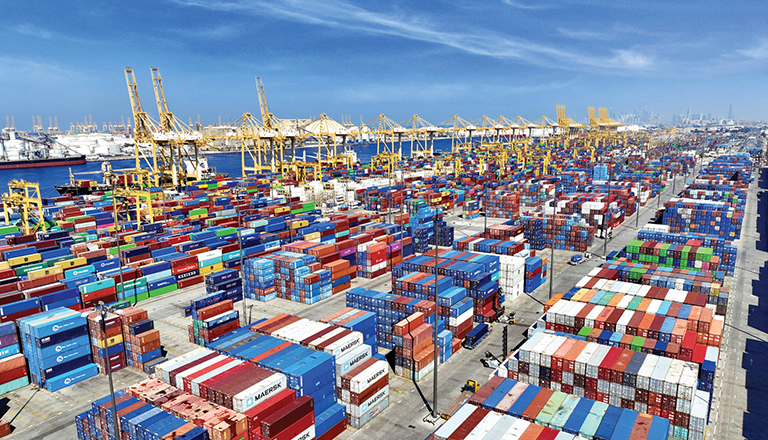
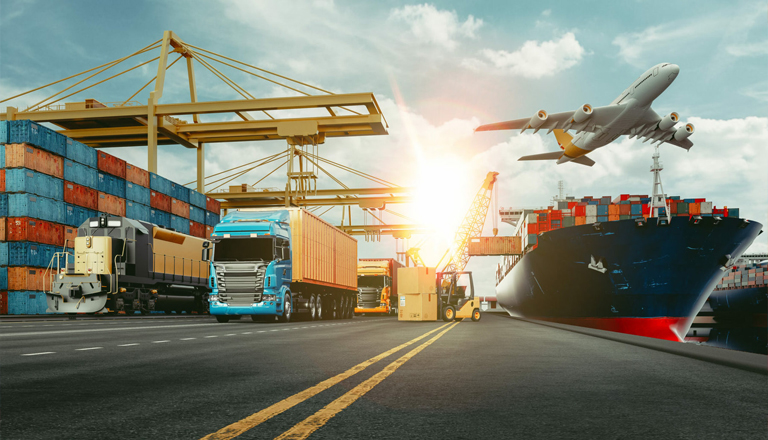
Global supply chains are constantly adapting to changing market conditions. In recent years, businesses have faced rising ocean freight costs, port congestion, vessel delays, route disruptions, and unpredictable transit schedules. As a result, many companies are exploring alternative transportation methods that can provide greater flexibility and control.
One of the most important outcomes of this changing environment is the growing demand for road freight. For businesses moving cargo across regional markets, road transportation can offer practical advantages in terms of flexibility, accessibility, and delivery coordination. With the support of an experienced freight forwarding company in Dubai, businesses can combine road transportation with other logistics services to create more resilient supply chains.
Why Are Ocean Freight Costs Increasing?
Ocean shipping remains an essential part of international trade, but freight rates can fluctuate significantly. Several factors can contribute to higher ocean transportation costs.
Fuel prices, vessel operating expenses, container availability, port congestion, geopolitical developments, and changes in global demand can all influence shipping rates. When vessels are rerouted because of disruptions along major maritime routes, journeys can become longer and more expensive.
Additional expenses may also arise from delays at ports, container storage, demurrage, and detention. For businesses working with strict delivery schedules, these unexpected costs can make ocean freight less predictable.
As companies look for ways to maintain reliable cargo movement, road freight is increasingly becoming part of their transportation strategy.
How Shipping Disruptions Affect Supply Chains
Modern supply chains are highly interconnected. A delay at one stage can affect multiple operations further down the chain.
For example, a delayed vessel can postpone the arrival of raw materials at a manufacturing facility. This can affect production schedules, warehouse planning, customer deliveries, and inventory levels. Retailers may also face difficulties maintaining stock when replenishment shipments are delayed.
Businesses therefore need logistics strategies that can respond quickly when conventional transportation routes become less reliable.
Road freight can provide an additional layer of flexibility, particularly for shipments moving between neighbouring countries, ports, warehouses, industrial areas, and distribution centres.
Why Businesses Are Turning to Road Freight
Greater Route Flexibility
Unlike ocean transportation, road freight is not dependent on fixed maritime routes. Trucks can use different highways and border crossings depending on cargo requirements, road conditions, regulations, and delivery destinations.
This flexibility can be particularly valuable when businesses need to adjust transportation plans quickly.
Door-to-Door Delivery
One of the major benefits of road transportation is its ability to support direct delivery between locations.
A truck can collect cargo from a supplier, transport it to a distribution centre, and deliver it directly to a customer or business facility. This can reduce the number of handling points involved in certain shipments.
Fewer transfers may also help businesses simplify coordination and improve shipment visibility.
Faster Regional Transportation
For regional cargo movements, road freight can sometimes provide a faster and more predictable alternative to waiting for ocean transportation schedules.
This is particularly relevant for businesses operating across the GCC and surrounding markets. Road networks connecting countries in the region enable companies to move goods between commercial hubs while supporting time-sensitive supply requirements.
Better Support for Urgent Shipments
Not every shipment can wait for a vessel’s next available sailing. Manufacturing components, spare parts, retail inventory, and other time-sensitive products may require faster transportation.
Road freight can provide businesses with an additional option when delivery deadlines are tight. Depending on the origin, destination, border requirements, and cargo type, road transportation can help shorten regional delivery timelines.
Road Freight and Multimodal Logistics
The growing demand for road transportation does not mean that businesses are abandoning ocean freight. Instead, many companies are adopting multimodal logistics strategies.
A shipment may travel by ocean for the international portion of its journey and then continue by road after reaching a regional port. This approach allows businesses to use the advantages of different transportation modes.
For example, a container arriving at a major Middle Eastern port can be transferred to a road transportation network for onward delivery to a warehouse, industrial facility, or customer in another location.
This coordination between different modes is where professional freight forwarding becomes particularly valuable.
The Role of Freight Forwarders
A freight forwarder can help businesses coordinate different stages of cargo movement. Depending on the shipment, services may include transportation planning, carrier coordination, documentation, customs support, cargo handling, warehousing, and delivery arrangements.
An experienced freight forwarding company in Dubai can also help businesses evaluate transportation options based on factors such as cargo type, destination, delivery timeline, budget, and operational requirements.
Rather than relying on one transportation method for every shipment, businesses can develop flexible logistics plans that respond to changing market conditions.
Road Freight Across the GCC
The GCC has a strategically important position in regional and international trade. Dubai, in particular, serves as a major commercial and logistics hub connecting businesses with markets across the Middle East and beyond.
Road transportation supports the movement of goods between the UAE and neighbouring GCC markets. It can be particularly useful for manufacturers, distributors, retailers, construction companies, and businesses requiring regular regional cargo movement.
Reliable road freight coordination can help companies maintain inventory flows while reducing their dependence on a single transportation route.
How Businesses Can Prepare for Freight Disruptions
Businesses can take several steps to make their supply chains more resilient.
Diversify transportation options: Avoid relying entirely on one shipping mode or route.
Plan shipments earlier: Advance planning provides more time to identify alternatives when disruptions occur.
Maintain appropriate inventory: Strategic inventory levels can provide protection against unexpected transportation delays.
Work with reliable logistics partners: Experienced providers can help coordinate alternative routes and transportation modes.
Monitor total logistics costs: Businesses should evaluate freight, handling, storage, customs, and delivery expenses together rather than focusing only on the initial transportation rate.
Building a More Resilient Supply Chain
The logistics industry is entering an era where flexibility is becoming just as important as cost efficiency. Ocean freight will continue to play a central role in international trade, but disruptions and fluctuating costs are encouraging businesses to diversify their transportation strategies.
Road freight provides an important alternative for regional and last-mile cargo movement. When combined with ocean freight, warehousing, customs coordination, and other logistics services, it can become an essential component of a resilient supply chain.
Conclusion
Rising ocean freight costs and shipping disruptions are encouraging businesses to rethink how they move goods. Road freight offers flexibility, regional accessibility, direct delivery capabilities, and useful support for time-sensitive shipments.
For companies operating through Dubai and the wider GCC, selecting an experienced logistics partner can make transportation planning more efficient. Arab Combined Shipping Services (ACSS) supports businesses with freight forwarding and logistics solutions designed to help manage the complexities of modern cargo movement.
As global trade continues to evolve, businesses that combine multiple transportation options and build flexible logistics strategies will be better positioned to respond to changing freight costs, disruptions, and customer expectations.