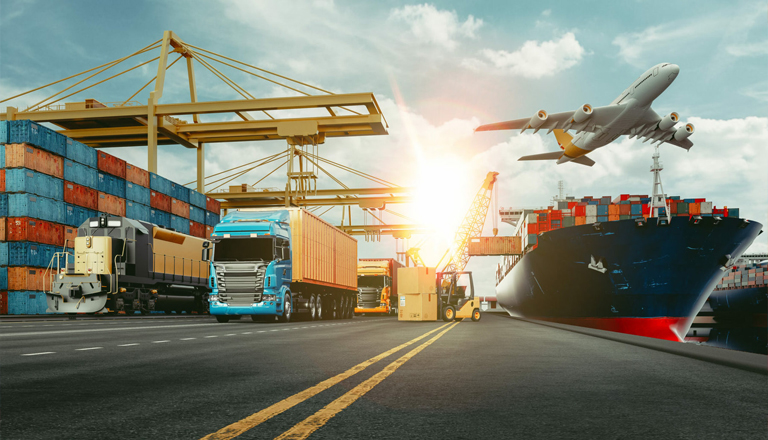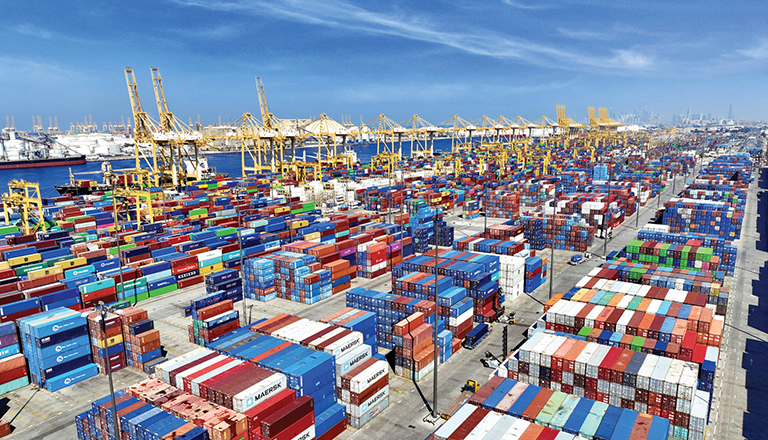

The global freight forwarding industry is undergoing a major transformation as technology changes how goods are booked, tracked, documented, stored, and delivered. What was once a largely manual process involving paperwork, phone calls, spreadsheets, and multiple intermediaries is becoming increasingly connected and data-driven.
For businesses engaged in international trade, these developments offer opportunities to improve shipment visibility, reduce delays, strengthen communication, and make better logistics decisions. As global supply chains become more complex, technology is becoming an important part of modern freight forwarding services.
For companies operating through major logistics hubs such as Dubai, working with an experienced freight forwarding company in Dubai can provide access to efficient transportation coordination supported by modern digital tools.
Digital Transformation in Freight Forwarding
Freight forwarding involves coordinating multiple stages of cargo movement. A typical shipment may include suppliers, exporters, carriers, ports, customs authorities, warehouses, trucking companies, and final customers.
Managing these moving parts requires accurate information and timely communication. Digital technology helps connect different stages of the logistics process, allowing information to be shared more efficiently.
Modern freight forwarding platforms can bring shipment bookings, documentation, tracking information, quotations, schedules, and communication into centralized systems. This reduces dependence on disconnected manual processes and makes logistics management more organized.
1. Real-Time Shipment Tracking
One of the most valuable technological developments in logistics is improved shipment visibility.
Businesses increasingly want to know where their cargo is and whether it is moving according to schedule. GPS technology, connected devices, carrier data, and digital tracking platforms can provide updates throughout different stages of transportation.
Real-time or near-real-time information allows logistics teams to identify potential delays earlier. Businesses can then communicate with customers, adjust warehouse planning, or make alternative arrangements when necessary.
Better visibility also improves confidence because companies no longer have to rely entirely on manual status updates.
2. Automation of Documentation
International shipping involves substantial documentation. Commercial invoices, packing lists, bills of lading, customs documents, certificates, and other records may be required depending on the shipment and destination.
Manual document preparation can consume time and increase the possibility of errors.
Automation tools can help generate, organize, verify, and share shipping documents more efficiently. Digital documentation can also make information easier to retrieve when different parties need access.
By reducing repetitive administrative tasks, automation allows logistics professionals to spend more time on planning, customer service, and problem-solving.
3. Artificial Intelligence and Predictive Analytics
Artificial intelligence is becoming increasingly relevant to supply chain management.
AI-powered systems can analyse large volumes of information to identify patterns, predict potential disruptions, estimate demand, and support logistics decisions.
For example, data analysis can help identify shipment delays based on historical transportation patterns or changing operational conditions. Predictive tools can also assist businesses in planning inventory and transportation requirements.
AI does not replace the expertise of freight forwarding professionals. Instead, it can provide additional information that helps teams make faster and more informed decisions.
4. Digital Freight Platforms
Digital freight platforms are changing how businesses compare and manage transportation services.
Instead of depending entirely on traditional communication channels, customers can increasingly use digital platforms to request quotations, compare transportation options, book shipments, and access documentation.
This can make the freight booking process more transparent and convenient.
For freight forwarders, digital platforms can also improve internal coordination and provide better visibility across multiple customer shipments.
5. Internet of Things and Connected Cargo
The Internet of Things, commonly known as IoT, is creating new possibilities for cargo monitoring.
Connected sensors can collect information about factors such as location, temperature, humidity, movement, and other shipment conditions. This can be particularly valuable when transporting sensitive or high-value goods.
If conditions move outside predefined parameters, connected systems may provide alerts so that logistics teams can respond quickly.
This technology can help businesses improve cargo monitoring while supporting better supply chain visibility.
6. Blockchain and Secure Data Management
Blockchain technology has attracted attention within logistics because of its potential to improve data transparency and traceability.
International freight forwarding often involves information being exchanged between multiple organizations. Maintaining consistent and trustworthy records can be challenging when information passes through different systems.
Blockchain-based solutions can create shared records that are more difficult to alter without authorization. While adoption varies across the logistics industry, the technology has potential applications in documentation, cargo tracking, trade verification, and supply chain transparency.
7. Warehouse and Inventory Technology
Freight forwarding does not end at the port. Warehousing and distribution are also important parts of modern logistics.
Warehouse management systems can help businesses monitor inventory, organize storage, manage incoming and outgoing shipments, and improve order processing.
Barcode scanning, RFID technology, automated equipment, and digital inventory platforms can improve accuracy and reduce manual work.
For companies managing large volumes of goods, better warehouse visibility can contribute to more efficient distribution.
Technology and Sustainable Logistics
Technology can also support more sustainable freight operations.
Route optimization tools can help identify efficient transportation routes. Better cargo planning can improve vehicle and container utilization, while digital documentation can reduce dependence on physical paperwork.
Data-driven logistics planning can help businesses identify unnecessary transportation movements and improve resource utilization.
As sustainability becomes a greater consideration for international businesses, technology can provide valuable tools for measuring and improving logistics efficiency.
Why Technology Matters to Freight Forwarding Customers
The benefits of logistics technology extend beyond freight forwarding companies. Customers also gain from faster communication, improved shipment visibility, more accurate documentation, and better access to information.
Businesses can make decisions based on current shipment data instead of relying exclusively on delayed updates. This can improve inventory planning, customer communication, and overall supply chain management.
For companies working with a freight forwarding company in Dubai, technology can be especially useful for coordinating international cargo with regional transportation, customs processes, warehousing, and distribution.
The Future of the Freight Forwarding Industry
Technology will continue to influence how freight forwarding operates. Artificial intelligence, automation, IoT, cloud platforms, predictive analytics, and digital documentation are likely to become increasingly integrated into logistics workflows.
However, technology alone cannot manage the complexities of international trade. Human expertise remains essential for understanding regulations, selecting transportation solutions, managing unexpected situations, and developing practical logistics strategies.
The strongest freight forwarding models will combine digital capabilities with experienced professionals who understand the realities of global transportation.
Conclusion
Technology is transforming freight forwarding by making logistics more connected, visible, automated, and data-driven. From real-time tracking and digital documentation to AI-powered analytics and connected cargo monitoring, modern tools are helping businesses manage increasingly complex supply chains.
At Arab Combined Shipping Services (ACSS), technology and professional logistics expertise can work together to support efficient cargo movement and responsive supply chain management. As global trade continues to evolve, businesses that embrace smarter logistics solutions can improve visibility, manage disruptions more effectively, and build stronger international supply chains.